
Puremotion Creative Client - Dwellworks
Product Design
6m
MVP Delivered
100+
Metro's deployed
99%
Customer Satisfaction
20%
YOY Savings
Overview
Dwellworks provides relocation services. Their process was built on in-person consultations and manual data entry — high-touch, high-friction, and difficult to scale. The goal was to digitize that experience without losing what made it valuable: the personalized, local expertise of destination consultants.
Information architecture
Content Strategy
Robust messaging system
Design Decisions
Fragmented IA creates a high cognitive load for customers
↓
Design decision
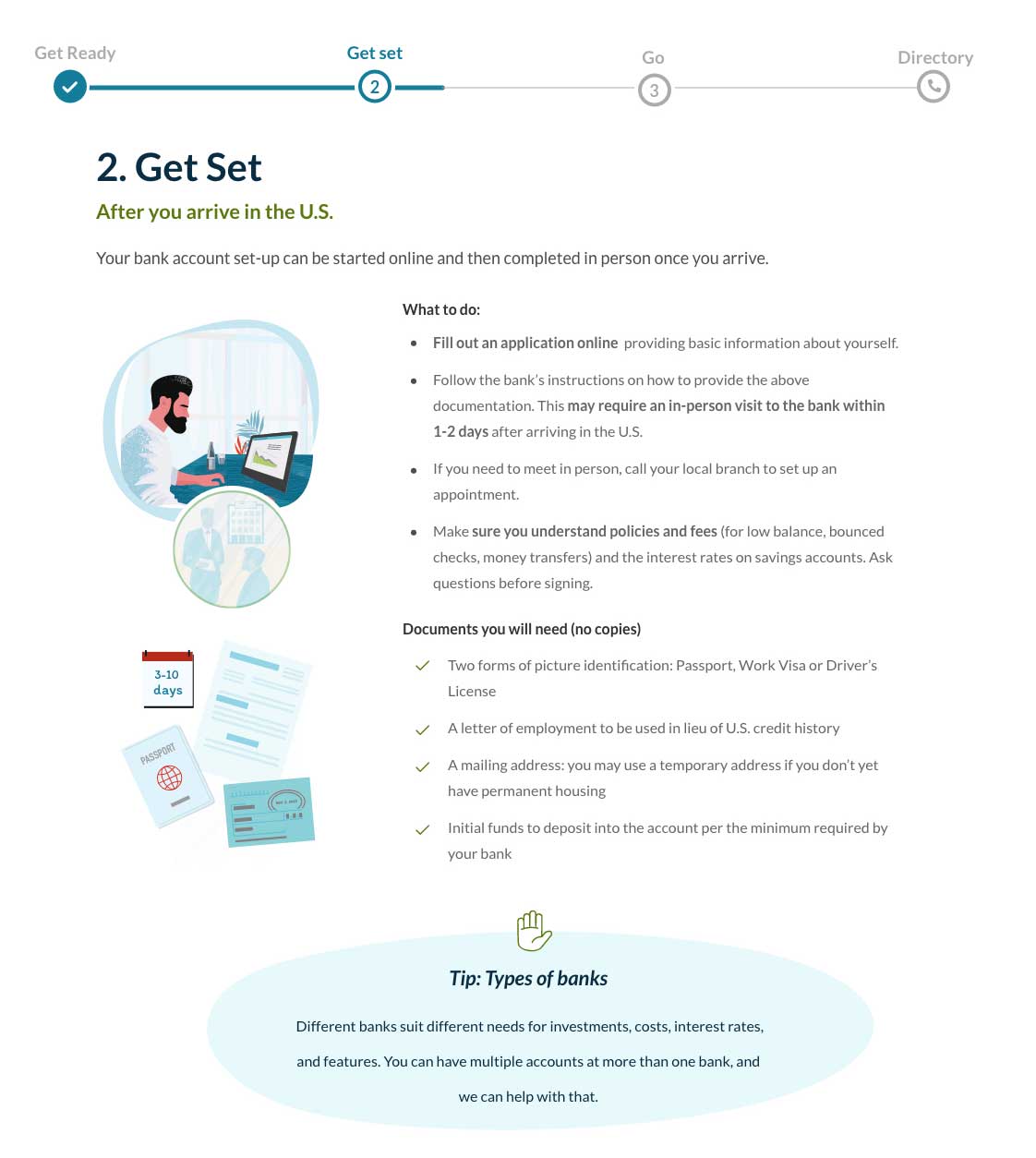
Rebuilt the information architecture around a sequential relocation journey — each phase unlocking the next, reducing overwhelm
Users researching on desktop but needing quick reference on mobile
↓
Design decision
Research-heavy features optimized for desktop; wayfinding and quick-reference features built mobile-first based on analytics
Consultants are concerned about the loss of personal touch
↓
Design decision
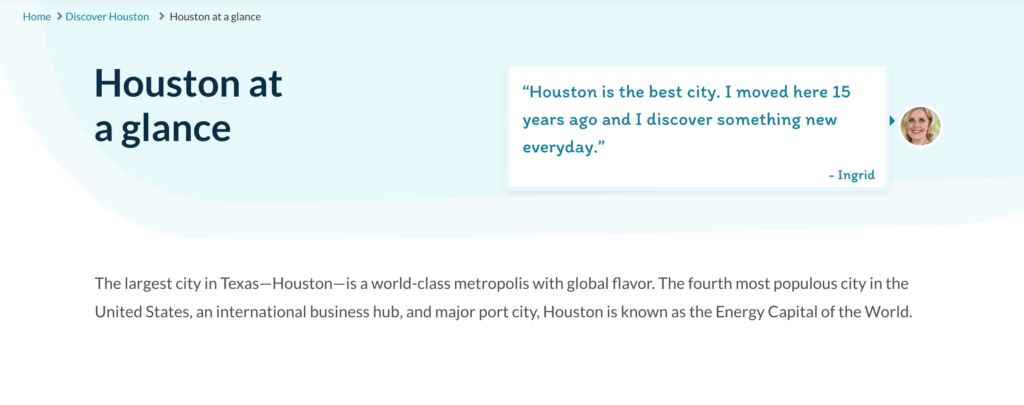
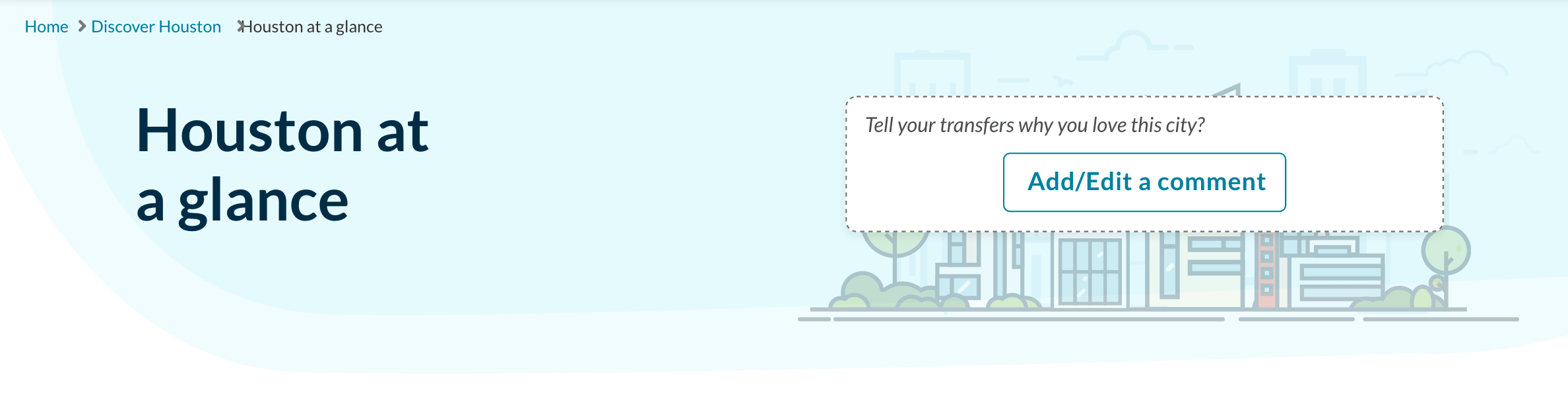
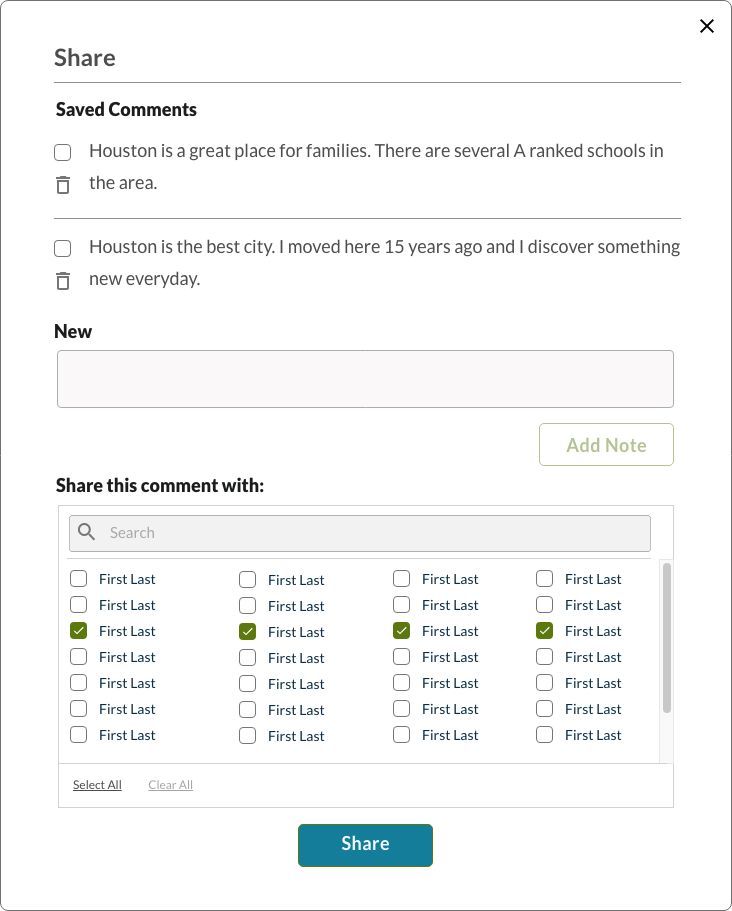
Designed a dual-function interface—customers see curated content, consultants layer in private comments at key decision points
Generic platforms failing on neighborhood-level detail
↓
Design decision
Built neighborhood comparison with ground-level indicators—walkability, accurate commute times, local maps—that DIY platforms can't provide
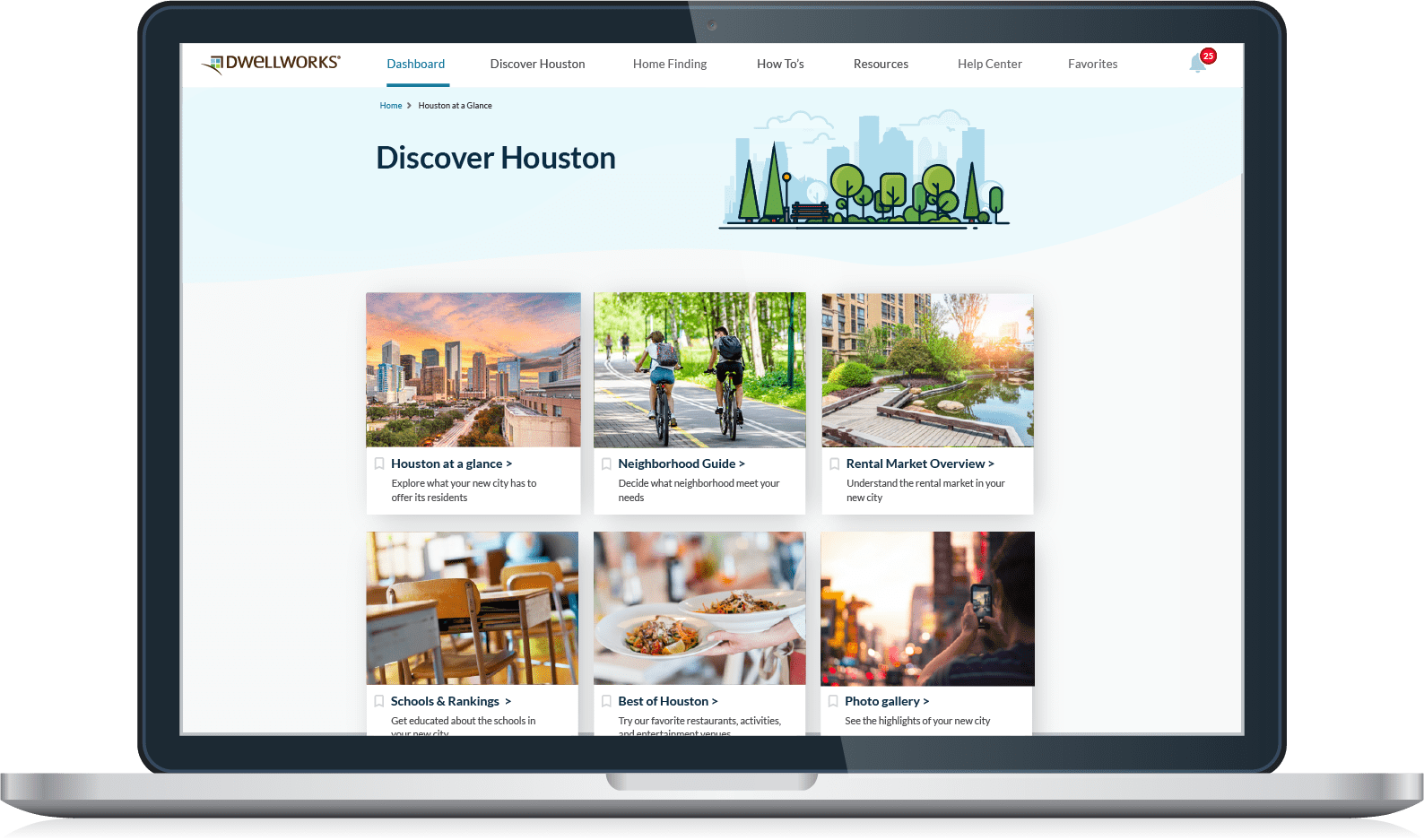
Self-guided dashboard
An educational dashboard that oriented customers through the relocation journey sequentially—showing progress, reducing anxiety, and cutting reliance on consultants for basic status updates.
Design decision
Progress visibility was as important as content— customers needed to feel in control of a process that typically feels overwhelming.
Illustration-first visual system
Choose hand-drawn and editorial illustrations over photography. For a global, diverse user base, photography risks exclusion—illustrations let every user see themselves in the experience.
Design decision
Accessibility was also non-negotiable—the full palette was tested against WCAG AA contrast standards.


Two Users, one Platform
The platform had to serve two very different people simultaneously—and the tension between their needs shaped every design decision. We added an internal messaging system that allowed consultants to customize key areas within the platform.
Relocation customer
Needs clarity
Dealing with a complex, high-stakes life event. Needs curated, structured information and a clear sense of progress through an unfamiliar process.
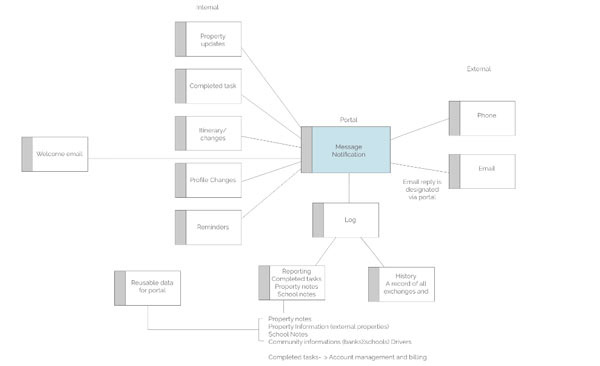
Message pathways were designed to blend with the content management system.
Destination consultant
Needs Flexibility
Experts in local knowledge. Needed to inject personal recommendations into the platform without friction — or they'd resist the digital shift entirely.
Solution Design & Information Architecture
We built a robust information architecture using a Site Map and Content Framework to support global scaling and a fluid user experience.
| Feature | Design Focus | Impact |
|---|---|---|
| Self-Guided Dashboard | Created an intuitive, educational dashboard that helped clients orient themselves and see their progress through the complex relocation journey. | Reduced reliance on consultants for basic status updates and improved customer clarity. |
| Personalized Hybrid Interface | The portal was designed as a dual-function system: customers view curated information, and consultants can easily add private comments and recommendations. | Maintained a crucial human element within the digital process, increasing customer confidence. |
| Mobile-First Wayfinding | Analytics showed users perform desktop research, but wayfinding and quick reference features were prioritized for a mobile-first experience. | Optimized quick task completion for users on the go. |
| Key Neighborhood Comparison | Combined vital, ground-level indicators (walkability, accurate commute times, local maps) that are difficult to find on generic DIY platforms. | Empowered customers to make informed, data-driven decisions when comparing neighborhoods. |

